








 800-963-5724
Fireplace Troubleshooting Guide — Common Problems & Fixes
Fireplace Troubleshooting Guide — Common Problems & Fixes
Use this guide to diagnose and fix the most common fireplace problems before calling a technician. Most fireplace issues are battery, gasket, pilot, or remote-related — and DIY-fixable with the right replacement part. Scroll to the symptom that matches your problem.
Safety first: Always turn off the gas supply at the shutoff valve before working on a gas fireplace. If you smell gas, do not operate any switches or appliances — leave the area and call your gas utility. For complex repairs or any uncertainty, call a qualified hearth technician.
Quick Symptom Index
- Fireplace won't light
- Pilot light won't stay lit
- Electric fireplace E1 / E3 error code
- Remote not working
- Blower not working / making noise
- Yellow or sooty flame
- Fireplace glass fogged or stained
- Smoke coming into the room
- Cold air coming through fireplace
Fireplace Won't Light
Most common causes (in order of likelihood):
- Dead remote batteries. Replace transmitter batteries (typically 4 x AAA). Replace receiver batteries too (4 x AA, located in the lower control compartment).
- Pilot is out. Most gas fireplaces require pilot to be lit before main burner ignites. Check pilot — if it's out, follow the pilot lighting procedure on your fireplace's rating plate.
- Gas supply is off. Check the gas shutoff valve at the fireplace and at the meter. After utility work, gas supply may need to be reset.
- Wall switch or thermostat issue. If your fireplace uses a wall switch or thermostat (not remote), check the switch is on and the wires are connected.
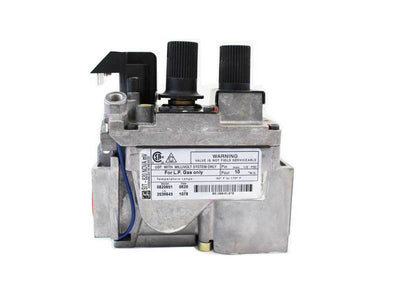
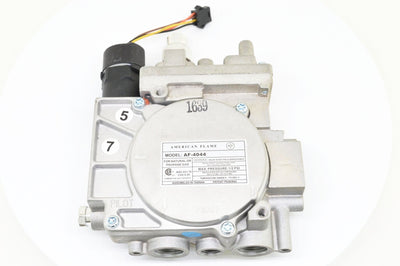
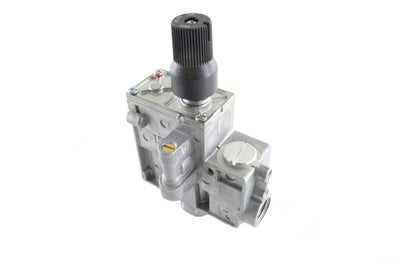
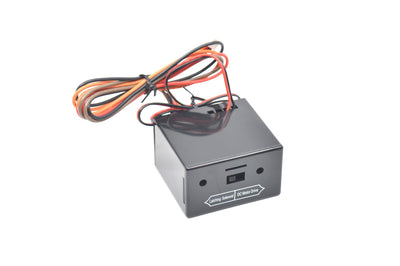
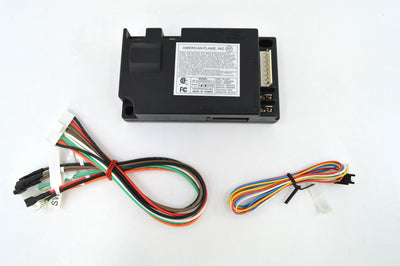
- Failed gas valve or ignitor module. If pilot lights but main burner doesn't fire after 15-20 seconds, the valve or ignitor module may have failed. See replacement gas valves and control modules.
Pilot Light Won't Stay Lit
The #1 cause is a failed thermocouple or thermopile. The thermocouple is the small probe in the pilot flame — it generates a tiny voltage when heated by the pilot, which keeps the gas valve open. If it fails, the valve closes and pilot goes out.
- Wait 5 minutes after pilot goes out before relighting (gas needs to clear).
- Hold the pilot button down for the full 30-60 seconds per your fireplace instructions — releasing too early is a common failure cause.
- If pilot lights but goes out within seconds of releasing the button: thermocouple has failed. Replace it ($15-$40 for the part, easy DIY swap).
- If pilot won't light at all: check the orifice for blockage (spider webs are extremely common — known issue called "spider intrusion"). Clear with compressed air.
- For Mertik GV60 / Maxitrol systems: see our Maxitrol G6R-H3T5 programming guide.
Electric Fireplace E1 / E3 Error Code
Electric fireplace error codes vary by brand, but the most common are:
- E1 (Dimplex, most brands): Overheat protection — the unit is too hot. Wait 30 minutes, check that intake/exhaust vents are not blocked, and restart. If recurring, the heater element or fan motor may be failing.
- E3 (Dimplex): Sensor or thermal cutoff issue. Unplug for 60 seconds, then plug back in. If error persists, the thermal sensor needs replacement.
- E4 / E5 (varies): Brand-specific — check your owner's manual.
For Dimplex-specific troubleshooting, see all Dimplex electric fireplaces.
Remote Not Working
Most common causes:
- Dead transmitter batteries. Replace (typically 4 x AAA).
- Dead receiver batteries. The receiver is usually in the lower control compartment behind the louver. Replace 4 x AA.
- Pairing lost. Re-pair the remote. For Mertik G6R-H3T5: see our G6R-H3T5 pairing guide. For SIT Proflame 2: hold receiver button until two beeps, then press transmitter ON within 20 seconds.
- Antenna position. Some receivers have a small wire antenna that should hang freely — verify it's not pinched.
- Failed transmitter. If batteries are fresh and pairing fails, the transmitter itself may have failed. We carry replacement fireplace remote controls for all major systems.
Blower Not Working or Making Noise
- Blower won't run: Check the blower thermal switch (most blowers turn on automatically when the firebox reaches ~120°F — they don't run until then). If switch is bad, replace it. Also verify the blower is plugged in and the fuse/breaker is OK.
- Loud humming or buzzing: Bearings are failing. Replace the blower motor. See all blower motors by brand.
- Squealing or grinding: Bearing failure or debris in the fan blade. Inspect and clean; replace if bearings are gone.
- Blower runs but no air movement: Fan blade may have come loose from the motor shaft. Open the housing and check.
Yellow or Sooty Flame
A healthy gas fireplace flame should be predominantly blue at the base with yellow/orange tips. All-yellow or sooty flames indicate incomplete combustion — usually one of:
- Air mixer maladjusted. The air shutter on the gas valve mixes air with gas; if too closed, flame burns yellow. Adjust per manufacturer instructions.
- Wrong gas type. If a propane fireplace is connected to natural gas (or vice versa) without proper conversion, flame will be yellow. Stop using and have a gas tech inspect.
- Log placement is wrong. Misplaced ceramic logs disrupt airflow and cause yellow flame. Restore logs to manufacturer-shown positions.
- Dust or spider webs in burner. Clean the burner with compressed air.
- Failed orifice. If yellow persists after all checks, orifice may need replacement.
Fireplace Glass Fogged or Stained
- White haze on glass: Mineral deposits from gas combustion. Normal — clean with fireplace glass cleaner (do NOT use ammonia-based cleaners — they damage glass coatings).
- Brown/yellow stain: Carbon buildup from incomplete combustion. Clean with fireplace glass cleaner; if recurring, address the air mixer or burner issues above.
- Cracked glass: Replace immediately — cracked glass is a safety hazard. See fireplace replacement glass by brand.
- Cleaning frequency: Most gas fireplaces benefit from a glass cleaning every 4-6 months of regular use.
Smoke Coming Into the Room
- Wood fireplace, smoke at first lighting: Cold flue. Light a small "primer" fire with newspaper near the damper to warm the chimney before adding logs.
- Persistent smoke from wood fireplace: Damper not fully open, blocked chimney (creosote, debris, animal nest), or negative pressure in the room (turn off bath/kitchen fans).
- Direct vent gas fireplace, smoke into room: Vent termination blocked or vent pipe damaged. Stop using immediately and have a tech inspect — direct vent fireplaces should NEVER smoke into the room.
Cold Air Coming Through Fireplace
- Damper open: Wood fireplaces lose substantial heat through open dampers. Always close the damper when not in use. Consider a top-mounted damper for better seal.
- Failed door gaskets (gas fireplace): Replace the door gasket — typically every 2-4 years.
- Vent leak (direct vent): Check the vent termination for damage or improper installation.
- Glass door not sealing (wood): Glass door gasket has failed. Replace with manufacturer-spec gasket.
Need a Replacement Part?
We carry the deepest replacement parts catalog for all major fireplace brands:
- Fireplace Remote Controls (Mertik, SIT, Skytech, Maxitrol)
- Fireplace Replacement Glass
- Blower Motors
- Burners
- Control Boards
- Browse by fireplace model
Still stuck? Contact our parts team — provide your fireplace make, model, and serial number for fastest part identification. We've been an authorized fireplace dealer for 12+ years and can usually identify the right part within minutes.