








 800-963-5724
Gas Fireplace Safety Tips Every Homeowner Should Know
Gas fireplaces are one of the safest heating appliances you can install in your home. Modern units are engineered with multiple safety features including oxygen depletion sensors, automatic shut-off valves, and sealed combustion systems. However, safe operation also depends on proper installation, regular maintenance, and homeowner awareness.
This guide covers the essential gas fireplace safety tips that every homeowner should know, from daily operation practices to emergency procedures. Whether you have a brand-new installation or a fireplace that has been in your home for decades, these guidelines will help you enjoy your fireplace with confidence.
Carbon Monoxide: The Invisible Threat
Carbon monoxide (CO) is a colorless, odorless gas produced by incomplete combustion of natural gas or propane. It is the primary safety concern with any gas-burning appliance. A properly installed and maintained gas fireplace produces minimal CO that is safely vented outdoors. Problems arise when the venting system is compromised or the fireplace malfunctions.
Carbon Monoxide Detector Requirements
Every home with a gas fireplace should have carbon monoxide detectors:
- Install a CO detector on every level of your home, at minimum.
- Place one within 15 feet of the fireplace if possible.
- Install detectors at or near sleeping areas.
- Test detectors monthly and replace batteries twice a year (a good practice is when you change clocks for daylight saving time).
- Replace the entire detector unit every 5 to 7 years, as the sensors degrade over time.
If a CO detector sounds while your fireplace is running, immediately turn off the fireplace, open windows, evacuate all occupants, and call 911 or your local fire department from outside the home. Do not re-enter until the home has been cleared by professionals.
Proper Ventilation and Venting
Direct Vent Fireplaces
Direct vent gas fireplaces are the most common type installed today. They use a sealed glass front and a coaxial vent pipe that draws combustion air from outside and exhausts combustion gases back outside. This design keeps indoor air quality unaffected by the fireplace.
Safety practices for direct vent units:
- Never operate with cracked or missing glass. The glass is part of the sealed combustion system. Operating without it can allow combustion gases into your living space. Browse replacement fireplace glass if yours is damaged.
- Inspect the vent terminal regularly. Check the exterior vent cap for blockages from bird nests, debris, snow, or ice. A blocked vent is one of the most common and dangerous gas fireplace hazards.
- Maintain clearances around the vent terminal. Keep plants, landscaping, and storage at least 12 inches away from the vent opening.
Vent-Free (Ventless) Fireplaces
Vent-free fireplaces burn gas without an external vent, releasing combustion byproducts directly into the room. They include an ODS (Oxygen Depletion Sensor) pilot assembly as a safety feature. Important safety considerations:
- Follow room size requirements. Vent-free fireplaces are rated for specific room sizes. Using one in a room that is too small can deplete oxygen and increase moisture levels.
- Keep a window cracked. While not always required by manufacturers, slightly opening a window provides fresh air and improves indoor air quality.
- Never use in bedrooms or bathrooms unless the specific model is rated and approved for those spaces (few are).
- Do not tamper with the ODS. The ODS pilot assembly will shut off the fireplace if oxygen levels drop below a safe threshold. If your ODS keeps shutting off the fireplace, do not bypass it. The system is working as designed, and the root cause needs to be addressed. See our ODS pilot assembly guide.
Gas Leak Awareness
Natural gas and propane suppliers add a distinctive odorant (mercaptan) to gas so leaks can be detected by smell. It smells like rotten eggs or sulfur.
What to Do If You Smell Gas
- Do not turn on or off any electrical switches, lights, or appliances. Electrical sparks can ignite gas.
- Do not use your phone inside the house. Cell phones can theoretically create a spark.
- Do not light any matches or lighters.
- Leave the house immediately with all occupants and pets.
- Call your gas utility from outside or from a neighbor's home. They will send a technician to check for leaks at no charge.
- Do not re-enter until the gas company has cleared the home.
Preventing Gas Leaks
- Have gas connections professionally inspected annually.
- Check for loose connections by applying a soap-and-water solution to gas fittings. Bubbles indicate a leak.
- Replace old, corroded gas connectors. Flexible gas connectors have a limited lifespan and should be inspected regularly.
- Never use thread sealant tape (Teflon tape) on gas flare fittings. Use it only on threaded pipe connections, and only use yellow gas-rated tape.
Safe Operating Practices
Keep Combustibles Away
The area around your gas fireplace gets hot during operation, even if the fireplace itself is contained. Follow these clearance guidelines:
- Keep furniture, curtains, and other combustible materials at least 36 inches from the front of the fireplace (or as specified in your installation manual).
- Do not hang stockings, decorations, or garlands from the mantel while the fireplace is operating. The heat rising from the fireplace can ignite these items.
- Never place anything on top of a freestanding gas stove or insert.
- Keep children's toys, pet beds, and other items away from the fireplace area.
Glass Temperature Warning
The glass on a gas fireplace can reach temperatures exceeding 400 degrees Fahrenheit during operation. This is hot enough to cause severe burns on contact. This is especially dangerous for young children and pets.
- Install a safety screen or barrier if you have young children or pets. Many manufacturers offer safety screens designed for their fireplace models.
- Teach children that the fireplace glass is extremely hot and should never be touched, even after the fireplace has been turned off (it stays hot for a long time after shutdown).
- Supervise children and pets whenever the fireplace is in use.
Never Leave Unattended for Extended Periods
While gas fireplaces are designed for safe, extended operation, avoid leaving them running overnight or when you leave the house. If your fireplace has a thermostat or timer feature, use it to regulate operation automatically. This also saves energy.
Maintenance-Related Safety
Annual Professional Inspections
Have your gas fireplace professionally inspected at least once per year. A qualified technician will:
- Check gas pressure with a manometer to ensure it matches the manufacturer specification.
- Inspect the venting system for proper draft and any signs of deterioration.
- Test safety devices including the thermocouple, thermopile, and ODS (if equipped).
- Verify all gas connections are tight and leak-free.
- Inspect the heat exchanger (if applicable) for cracks.
- Clean and adjust the pilot assembly.
For more on what to check yourself, see our pre-season fireplace checklist.
Do Not Modify Your Fireplace
Gas fireplaces are tested and certified as complete assemblies. Modifications can create serious safety hazards:
- Do not use aftermarket logs that are not approved for your specific fireplace model. Incorrect logs can block airflow and cause incomplete combustion.
- Do not alter the gas orifice or burner. Gas-to-propane conversions and vice versa require specific conversion kits designed for your model.
- Do not block or modify venting. Changing the vent configuration, extending vent runs, or adding elbows beyond the manufacturer specification can cause dangerous backdrafting.
- Do not bypass safety devices. If a safety switch or sensor keeps shutting off your fireplace, it is detecting a real problem. Diagnose and fix the root cause rather than disabling the safety device.
Emergency Shut-Off Procedures
Every household member who is old enough should know how to shut off the gas fireplace in an emergency:
- Turn off the fireplace using the wall switch, remote, or control knob (turn to OFF).
- Close the manual gas shut-off valve. This is typically a ball valve on the gas line near the fireplace, behind the lower access panel. Turn the handle perpendicular to the gas pipe to close it.
- If you suspect a serious gas leak, also know the location of your main gas shut-off at the meter outside your home.
When to Call a Professional
Do not attempt to troubleshoot or repair the following yourself:
- Any suspected gas leak: Call your gas utility immediately.
- Carbon monoxide alarm activation: Evacuate and call 911.
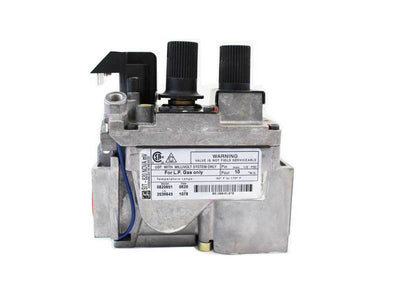
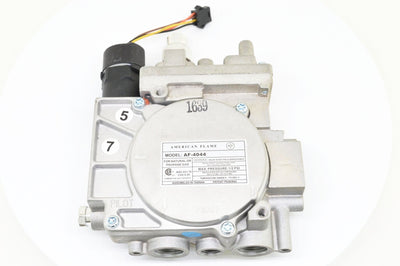
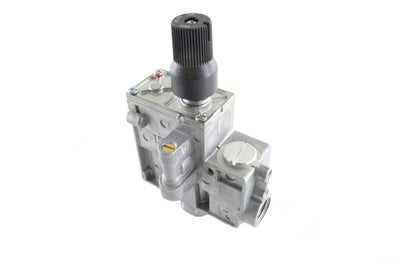
- Gas valve replacement or repair: This requires a licensed technician. See our informational guide on gas valve replacement.
- Venting system damage or modification: Improper venting kills. Only a certified professional should work on venting.
- Persistent pilot light issues: If your pilot light will not stay lit after basic troubleshooting, have a technician inspect the system.
- Any situation where you feel unsafe: Trust your instincts. The cost of a service call is negligible compared to the risks of working on a gas appliance without proper training.
For reliable replacement parts that meet manufacturer specifications, shop our full selection of fireplace parts, gas valves, and fireplace accessories.
- Tags: carbon monoxide, fire prevention, fireplace maintenance, gas fireplace safety, gas leak, home safety, vent inspection
← Older Post Newer Post →