








 800-963-5724
Heatilator Fireplace Parts Guide: Finding the Right Replacement
Heatilator is one of the oldest and most recognized names in the fireplace industry. Originally founded in 1927, the brand now falls under the Hearth and Home Technologies (HHT) umbrella, which also manufactures Heat N Glo and Quadra-Fire products. Millions of Heatilator gas, wood, and electric fireplaces are installed in homes throughout the United States, and finding the correct replacement parts is essential for keeping them running safely.
Heatilator parts in stock
Fireplace Choice stocks genuine Hearth & Home Technologies parts for Heatilator: browse all Heatilator parts by series (Novus, Caliber, Reveal, RAVE, HEIR, Icon, GC, Geneva), or go straight to blower fan kits and control boxes and receivers. Have the model number from the rating plate ready; the guide below shows where to find it.
This guide covers how to identify your Heatilator model, the most commonly replaced parts, and where to find compatible components when your fireplace needs service.
Identifying Your Heatilator Model
Before ordering any replacement part, you need to know your exact Heatilator model number. This is the single most important step in the parts-finding process, because even fireplaces that look identical on the outside may use different internal components.
Where to Find the Rating Plate
Every Heatilator fireplace has a rating plate (also called a data plate) that lists the model number, serial number, gas type, and BTU rating. Typical locations include:
- Behind the lower front panel: Remove the bottom louver or access panel and look on the left or right side of the firebox frame.
- On the firebox side wall: Open the glass door (if applicable) and check the left and right interior walls near the bottom.
- In the control compartment: Where the gas valve and pilot assembly are located.
For step-by-step instructions with photos, see our detailed guide on how to find your gas fireplace model number.
Common Heatilator Model Series
Heatilator has produced many model lines over the decades. Some of the most common series you may encounter include:
- NDV (Novus) series: Popular direct vent gas fireplaces from the early 2000s.
- GNDC/GNBC series: Gas fireplaces with various venting configurations.
- EC series: Economical builder-grade gas fireplaces found in many new construction homes.
- Caliber series: Mid-range to premium direct vent models with larger viewing areas.
- Constitution/Independence: Freestanding gas stoves that resemble wood stoves.
Most Commonly Replaced Heatilator Parts
Pilot Assemblies and Ignition Components
The pilot assembly is the most frequently replaced component in a Heatilator gas fireplace. It contains the pilot burner, thermocouple, thermopile, and often an igniter electrode. Over time, these components degrade from constant heat exposure.
Signs you need a new pilot assembly:
- Pilot light will not stay lit after releasing the knob (failing thermocouple)
- Pilot stays lit but the main burner will not ignite (failing thermopile)
- Pilot flame is weak, flickering, or discolored
- Piezo igniter clicks but does not produce a spark
Many Heatilator models use ODS (Oxygen Depletion Sensor) pilot assemblies, which are safety devices that shut off the gas if oxygen levels drop too low. Learn more in our ODS pilot assembly guide. Also see our walkthrough on how to replace a gas fireplace thermocouple.
Gas Valves
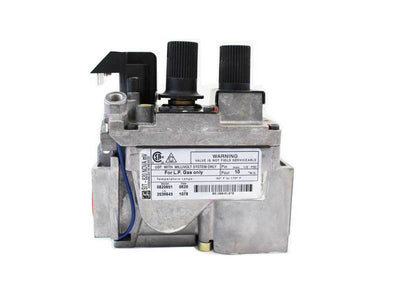
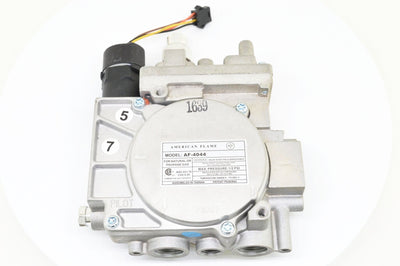
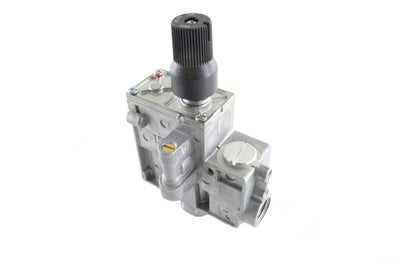
The gas valve is the central control component that regulates gas flow to both the pilot and main burner. Heatilator fireplaces commonly use gas valves from these manufacturers:
- SIT (now SIT Group): The 630 Eurosit and 820 Nova models are extremely common in Heatilator units.
- Honeywell: Found in many older and mid-range models.
- Robertshaw: Occasionally found in older Heatilator installations.
Replacement gas valves must match the original in gas type (natural gas or propane), valve style, and connection size. Browse our selection of gas valves and conversion kits.
Blower and Fan Kits
Heatilator fireplaces often include or offer optional blower kits that push heated air into the room through louvers at the top or bottom of the unit. Common issues include:
- Motor failure (unit does not spin at all)
- Worn bearings (grinding or humming noise)
- Failed speed controller or thermal switch
Shop blower motors and blower housing assemblies compatible with Heatilator models.
Glass Panels and Gaskets
The glass on direct vent Heatilator fireplaces is a sealed component that is critical for proper combustion. If the glass cracks, chips, or the gasket seal deteriorates, the fireplace should not be operated until the glass is replaced.
When ordering replacement glass:
- Measure the exact dimensions of your current glass panel.
- Note whether it is single-pane or dual-pane (insulated).
- Check for any special coatings or tints.
- Always replace the gasket along with the glass for a proper seal.
Find replacement fireplace glass for your Heatilator.
Remote Controls and Receivers
Many Heatilator fireplaces come equipped with remote control systems or have them available as add-on accessories. The type of remote system depends on your model and ignition type.
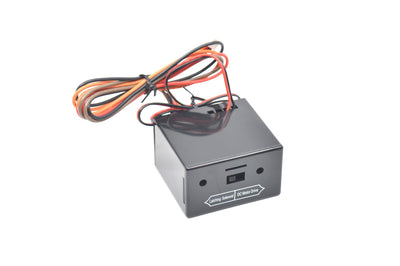
- Millivolt models: Can use any millivolt-compatible remote such as Skytech or SIT Proflame systems.
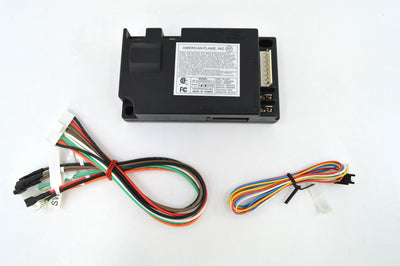
- IPI models: Require a specific receiver that is compatible with the electronic control module. You cannot simply add a generic remote to an IPI system without confirming compatibility.
Read our comparison of SIT Proflame vs Skytech vs Mertik remote systems to understand which system your Heatilator uses. Shop fireplace remote controls.
Fireplace Accessories and Trim
Beyond internal components, Heatilator fireplaces may need cosmetic and accessory replacements over time:
- Surround panels and trim kits
- Log sets and ember media
- Firescreen assemblies
- Louvers and grilles
Browse fireplace accessories for a full selection.
Heatilator vs HHT: Understanding the Brand Relationship
A common source of confusion is the relationship between Heatilator and HHT. Hearth and Home Technologies acquired the Heatilator brand and now manufactures all Heatilator products. This means:
- Newer Heatilator parts may be labeled with HHT part numbers.
- Some parts are shared across Heatilator, Heat N Glo, and Quadra-Fire models.
- When searching for parts, try both the Heatilator brand name and the HHT designation.
We carry parts for both brands. See our Heatilator fireplace parts collection and our HHT parts collection.
Tips for Ordering the Right Part
Finding the right replacement part for an older Heatilator fireplace can sometimes be challenging. Here are some tips:
- Always start with your model number. Generic parts can create safety hazards in gas appliances.
- Photograph the existing part before removing it. Note any part numbers stamped on the component itself.
- Measure carefully. Gas valve connections, pilot assembly lengths, and glass dimensions must match precisely.
- Check the gas type. Natural gas and propane parts are not interchangeable without a proper conversion kit.
- Note the ignition type. Standing pilot (millivolt) and electronic ignition (IPI) systems use different components. Our guide on millivolt vs electronic ignition explains the differences.
When to Call a Professional
Some Heatilator repairs are well within the ability of a handy homeowner, but others should be left to professionals:
- Gas valve replacement or gas line work: Always requires a licensed gas technician and a leak test after installation.
- Venting system modifications: Changes to the vent system can create carbon monoxide hazards and must meet local building codes.
- Electrical control module diagnosis: If your Heatilator has an electronic ignition system and you cannot identify the problem, a certified technician with diagnostic tools will save you time and money.
- Annual safety inspections: Even if your fireplace seems to be working fine, an annual inspection by a qualified technician can catch developing problems before they become dangerous.
Look for an NFI-certified technician or a dealer authorized by HHT to service Heatilator products in your area.
Need a SIT Proflame 2 Remote?
The SIT 0.584.040 Proflame 2 Fully Loaded transmitter is compatible with Mendota, Archgard, American Hearth, Empire, Heat & Glo, Lennox, Majestic, Monessen, Quadra-Fire, Regency, and 100+ other fireplace brands.
$109 · Free shipping · 4.8★ from 11 verified buyers · Same-day shipping
- Tags: blower motor, fireplace parts, fireplace repair, gas valve, Heatilator, HHT, pilot assembly, replacement parts
← Older Post Newer Post →