








 800-963-5724
Millivolt vs Electronic Ignition Gas Fireplaces: What's the Difference?
If you own a gas fireplace or you're shopping for replacement parts, you've probably encountered the terms "millivolt" and "electronic ignition." Understanding which type of ignition system your fireplace uses is essential for ordering the correct parts, troubleshooting problems, and understanding how your fireplace operates.
This guide explains both systems in detail, compares their advantages and disadvantages, and helps you identify which type you have.
Millivolt (Standing Pilot) Systems
Millivolt systems are the traditional, time-tested approach to gas fireplace ignition. They've been used for decades and remain extremely common in both new and existing installations.
How Millivolt Systems Work
A millivolt gas fireplace operates entirely without household electricity. Here's the sequence:
- The pilot light burns continuously. A small gas flame stays lit 24/7 during the heating season (or year-round if you choose to leave it on).
- The thermopile generates electricity. The pilot flame heats a thermopile — a device that converts heat into electrical voltage. A healthy thermopile generates 250-750 millivolts (about 0.25-0.75 volts).
- The thermocouple provides safety. A separate thermocouple monitors the pilot flame. If the pilot goes out, the thermocouple signals the gas valve to close, preventing gas from flowing without a flame present.
- You control the main burner. When you flip a wall switch, press a remote control, or a thermostat calls for heat, it completes a low-voltage circuit powered by the thermopile. This circuit activates the main gas valve, releasing gas to the main burner.
- The pilot ignites the main burner. Since the pilot is already burning, the main burner gas ignites immediately.
Key Components of a Millivolt System
- Pilot assembly — Produces the standing pilot flame. Includes the pilot hood, orifice, and mounting hardware. Shop pilot assemblies.
- Thermopile — The power source. Generates enough voltage to operate the gas valve and any connected accessories (remote receiver, wall switch).
- Thermocouple — The safety sensor. Detects pilot flame presence and shuts off gas flow if the pilot goes out.
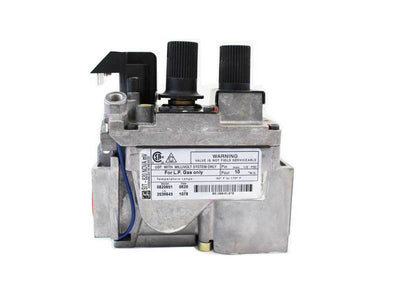
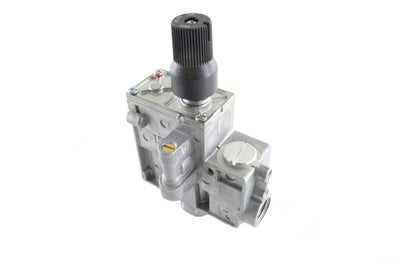
- Millivolt gas valve — A gas valve designed to operate on very low voltage (millivolts rather than line voltage). Common brands include SIT, Honeywell, and Robertshaw. Shop gas valves.
- Wall switch or remote — Simple switching devices that complete the millivolt circuit. No household electricity needed.
Advantages of Millivolt Systems
- Works during power outages. Since the entire system runs on thermopile-generated electricity, your fireplace works even when the power is out — a major selling point for heating reliability.
- Simple design. Fewer electronic components means fewer things that can fail. The system is fundamentally mechanical and thermoelectric.
- Easy to troubleshoot. Problems are typically limited to the thermocouple, thermopile, pilot assembly, or gas valve — all of which are straightforward to test with a basic multimeter.
- Inexpensive parts. Replacement thermocouples, thermopiles, and pilot assemblies are affordable and widely available.
- Long track record. This technology has been used for 50+ years with excellent reliability.
Disadvantages of Millivolt Systems
- Continuous pilot gas consumption. The standing pilot burns 24/7, typically consuming 500-1,000 BTU per hour. Over a year, this adds up — roughly $5-15 per month in gas cost even when you're not using the fireplace for heat.
- Pilot light maintenance. Pilots can go out due to drafts, dirty components, or failing parts, requiring manual relighting.
- Limited smart features. Basic millivolt systems support on/off control and simple thermostats, but lack the advanced programming, WiFi connectivity, and diagnostic features available with electronic systems.
Electronic Ignition Systems
Electronic ignition systems eliminate the standing pilot light by using household electricity to power the ignition process. The two main types are Intermittent Pilot Ignition (IPI) and Direct Spark Ignition (DSI).
Intermittent Pilot Ignition (IPI)
IPI is the most common electronic ignition type in residential gas fireplaces. Here's how it works:
- You call for heat (via wall switch, remote, or thermostat).
- The electronic control module powers up and begins the ignition sequence.
- The module opens a pilot gas valve and simultaneously generates a spark at the pilot electrode (this is the clicking sound you hear).
- The spark ignites the pilot. The module detects the flame using a flame rod or flame sensor.
- Once the pilot is confirmed lit, the module opens the main gas valve, and the pilot flame ignites the main burner.
- When you turn off the fireplace, both the main burner and the pilot shut off completely. No gas is consumed until the next call for heat.
Direct Spark Ignition (DSI)
DSI systems skip the pilot entirely. A spark electrode is positioned at the main burner, and the control module sparks directly to ignite the main burner gas. DSI is more common in commercial and industrial applications but appears in some residential fireplaces.
Key Components of Electronic Ignition Systems
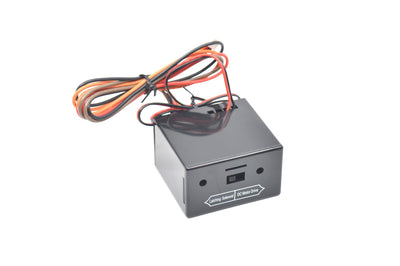
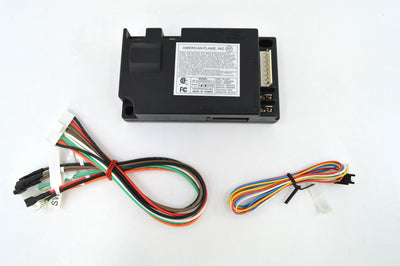
- Electronic control module (IFC/ICM) — The brain of the system. Controls the ignition sequence, monitors the flame sensor, manages safety timeouts, and may provide error codes via LED indicators.
- Spark igniter/electrode — Generates the spark that lights the pilot (IPI) or main burner (DSI).
- Flame sensor/flame rod — Detects flame presence using flame rectification. Reports to the control module.
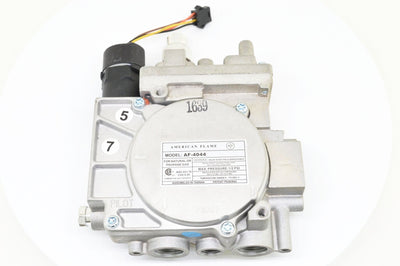
- Gas valve — Electronic gas valves require 24V AC power (from a transformer or the control module) rather than millivolt power.
- Transformer — Converts 120V household power to 24V AC to power the control module and gas valve.
Advantages of Electronic Ignition Systems
- No standing pilot. Gas is only consumed when the fireplace is actively heating. This saves $60-180 per year in pilot gas costs.
- Advanced features. Electronic systems can support sophisticated thermostatic control, programmable timers, WiFi connectivity, app control, and detailed diagnostics.
- Cleaner operation. Without a continuously burning pilot, there's less heat and soot buildup in the firebox during the off-season.
- Better for occasional use. If you only use your fireplace a few times per year, electronic ignition makes more financial sense than burning a pilot 365 days.
Disadvantages of Electronic Ignition Systems
- No operation during power outages. The biggest drawback — when the power goes out, so does your fireplace. Some IPI systems have battery backup options, but they're not universal.
- More complex and expensive repairs. Electronic control modules are more expensive to replace than thermocouples, and troubleshooting requires understanding the ignition sequence and error codes.
- More failure points. The control module, transformer, wiring harness, and flame sensor are all additional components that can fail.
- Professional service more likely. While millivolt systems are very DIY-friendly, electronic ignition systems may require a technician with specific diagnostic tools.
How to Tell Which System You Have
Here are the quickest ways to identify your ignition type:
Check for a Continuously Burning Pilot
- Millivolt: You can see a small pilot flame burning even when the main fireplace is off. The pilot stays lit 24/7.
- Electronic (IPI): No pilot flame when the fireplace is off. The pilot only lights when you turn the fireplace on.
Look at the Gas Valve
- Millivolt: The gas valve has a knob with three positions: OFF, PILOT, ON. There are low-voltage wire connections for the thermopile and thermocouple. No transformer or 120V power supply.
- Electronic: The gas valve connects to an electronic control module via a wiring harness. There's usually a transformer nearby providing 24V AC power. The valve may not have a manual PILOT position.
Listen for the Ignition Sequence
- Millivolt: You manually light the pilot with a piezo igniter (single click) or match, then turn the knob to ON for the main burner. The main burner lights silently (no clicking).
- Electronic (IPI): When you call for heat, you hear repeated clicking (the spark igniter) for several seconds before the pilot lights, followed by the main burner igniting.
Replacement Parts for Both Systems
Regardless of which ignition system your fireplace uses, Fireplace Choice carries the replacement parts you need:
- Millivolt systems: Thermocouples, thermopiles, pilot assemblies, millivolt gas valves, and remote controls.
- Electronic systems: Pilot assemblies with igniters, electronic gas valves, and control modules.
Not sure which system you have or which parts you need? Contact our team with your fireplace brand and model number — we'll point you to the right components.
- Tags: education, electronic ignition, gas fireplace, IPI, millivolt, standing pilot, thermocouple, thermopile
← Older Post Newer Post →