







 800-963-5724
Heat N Glo Fireplace Troubleshooting: Common Issues and Solutions
Heat N Glo fireplaces are among the most popular gas fireplaces installed in homes across North America. Manufactured by Hearth & Home Technologies (HHT), these units are known for their reliability and efficiency. However, like any gas appliance, they can develop issues over time that require troubleshooting and sometimes replacement parts.
In this comprehensive guide, we walk through the most common Heat N Glo fireplace problems, their likely causes, and practical solutions you can try before calling a technician. Whether your fireplace will not ignite, your flame looks abnormal, or your remote has stopped responding, you will find actionable steps below.
Heat N Glo Fireplace Will Not Ignite
The most frequent complaint with any gas fireplace is a failure to ignite. For Heat N Glo models, the ignition system varies depending on the age and model of your unit. Older models typically use a standing pilot (millivolt) system, while newer units may feature an Intermittent Pilot Ignition (IPI) system with electronic controls.
Standing Pilot Models
If your Heat N Glo uses a standing pilot light, check the following:
- Pilot light is out: Relight the pilot following the instructions on the rating plate or in your owner manual. Turn the gas valve knob to Pilot, press and hold while using the piezo igniter.
- Pilot lights but will not stay lit: This usually indicates a failing thermocouple or thermopile. The thermocouple senses the pilot flame and keeps the gas valve open. If it is worn out, it cannot generate enough voltage. See our detailed guide on gas fireplace pilot light problems.
- Weak or yellow pilot flame: A weak pilot may not heat the thermocouple sufficiently. Clean the pilot orifice with compressed air and ensure the pilot tube is not kinked.
IPI (Electronic Ignition) Models
Newer Heat N Glo fireplaces with IPI systems use an electronic control module to manage ignition. If the unit fails to ignite:
- Check the batteries: Many IPI modules require batteries (typically AA). Replace them even if they seem new, as low voltage can prevent ignition.
- Listen for clicking: If you hear the igniter clicking but no flame appears, the issue may be with gas flow or the igniter position. See our guide on gas fireplace clicking but not lighting.
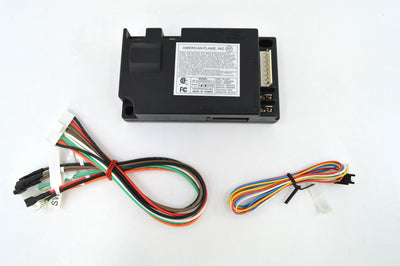
- Check the control module: The IntelliFire or IntelliFire Plus module in Heat N Glo units can fail. Look for blinking LED codes on the module to diagnose the issue.
Flame Appears Abnormal
A properly functioning gas fireplace should produce clean blue flames at the burner with yellow tips on decorative log sets. If you notice changes in flame appearance, pay attention.
Yellow or Sooty Flames
Excessive yellow flames or soot buildup on the glass or logs can indicate:
- Incorrect air-to-fuel ratio: The air shutter on the burner may need adjustment. This is common after converting between natural gas and propane.
- Blocked venting: For direct vent models, check both the intake and exhaust pipes for obstructions such as bird nests, leaves, or ice buildup.
- Dirty burner ports: Over time, dust and debris can partially block burner ports, affecting flame quality.
Delayed Ignition
A delayed ignition that produces a loud boom or whoosh when the burner lights is a safety concern. This typically means gas is pooling in the firebox before igniting. Causes include a slow-opening gas valve, weak pilot flame, or mispositioned burner. Stop using the fireplace and have a professional inspect it.
Remote Control Issues
Heat N Glo fireplaces use several remote control systems depending on the model. Older units may use basic on/off remotes, while newer models often feature the IntelliFire system or SIT Proflame receivers.
Remote Not Responding
If your Heat N Glo remote stops working:
- Replace batteries in both the remote transmitter and the receiver module.
- Re-sync the remote to the receiver. The procedure varies by system, so consult your owner manual.
- Check for interference: Other RF devices, LED bulbs, or nearby electronics can interfere with remote signals.
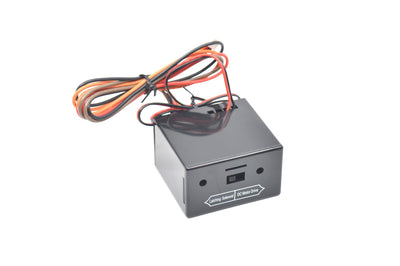
- Inspect the receiver: The receiver module is typically located behind the fireplace lower control panel. Look for loose wiring or corrosion.
For a complete walkthrough, read our gas fireplace remote troubleshooting guide. Browse replacement fireplace remote controls if the receiver or transmitter has failed.
Blower or Fan Not Working
Many Heat N Glo models include a convection blower (fan) that circulates warm air into the room. The blower is not required for the fireplace to operate but significantly improves heat output.
Common Blower Problems
- Blower does not turn on: Most fireplace blowers are controlled by a thermostat or thermal snap disc. The blower will not activate until the firebox reaches a certain temperature, which can take 10 to 15 minutes. Wait before assuming there is a problem.
- Blower runs but no airflow: Check for obstructions in the blower housing or outlet vents. Dust buildup on the fan blades can also reduce airflow significantly.
- Noisy blower: A grinding or rattling noise usually means worn bearings in the blower motor. Replacement is straightforward with the right part.
We cover blower diagnosis in detail in our gas fireplace blower troubleshooting guide. Shop replacement blower motors and blower wheels for Heat N Glo units.
Glass Issues: Fogging, Hazing, and White Film
The glass panel on a Heat N Glo fireplace serves an important safety and combustion function, especially on direct vent models where it seals the combustion chamber.
- White haze or film: A white residue on the inside of the glass is common, especially with new fireplaces. This is typically caused by sulfur deposits from the gas combustion process. Regular cleaning with a fireplace-specific glass cleaner will remove it.
- Condensation between glass panes: If your Heat N Glo has dual-pane glass and you see moisture between the panes, the seal has failed and the glass assembly needs replacement.
- Cracked glass: Never operate the fireplace with cracked glass. This is especially critical on direct vent units where the glass is part of the sealed combustion system.
Browse replacement fireplace glass panels for your Heat N Glo model.
Finding the Right Heat N Glo Replacement Parts
To order the correct replacement part for your Heat N Glo fireplace, you need your model and serial number. This is typically found on the rating plate located behind the lower access panel or on the side of the firebox. Read our guide on how to find your gas fireplace model number if you need help locating it.
Heat N Glo fireplaces are manufactured by HHT (Hearth and Home Technologies), so parts may also be listed under the HHT name. Common replacement parts include:
- Thermocouples and thermopiles
- Pilot assemblies
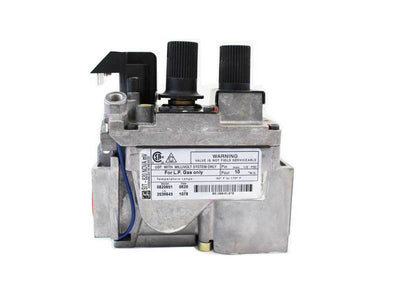
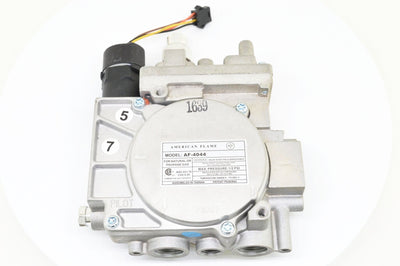
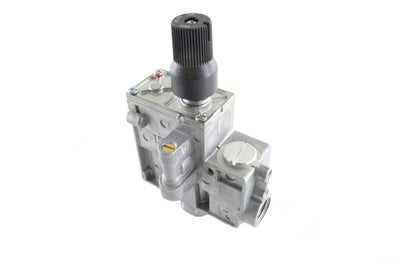
- Gas valves (often SIT or Honeywell)
- Blower motor kits
- Remote control systems
- Replacement glass panels
- Gaskets and seals
Shop our full selection of Heat N Glo fireplace parts and HHT parts.
When to Call a Professional
While many Heat N Glo fireplace issues can be diagnosed at home, some situations require a qualified technician:
- Gas smell without the fireplace running: If you smell gas when the unit is off, leave the house immediately and call your gas company.
- Delayed ignition with loud booms: This is a safety hazard that needs professional diagnosis.
- Gas valve replacement: Working on gas valves requires knowledge of gas plumbing codes and proper leak testing. See our gas valve replacement guide for more context.
- Carbon monoxide detector activating: If your CO detector sounds while the fireplace is running, shut it off immediately, ventilate the area, and call a professional.
- Internal wiring or control module issues: If you are not comfortable working with electrical components, have a certified technician handle control module diagnostics.
A qualified NFI-certified (National Fireplace Institute) technician or licensed gas fitter can safely diagnose and repair issues that go beyond basic troubleshooting. Annual professional inspections are recommended for all gas fireplaces to ensure continued safe operation.
Need a SIT Proflame 2 Remote?
The SIT 0.584.040 Proflame 2 Fully Loaded transmitter is compatible with Mendota, Archgard, American Hearth, Empire, Heat & Glo, Lennox, Majestic, Monessen, Quadra-Fire, Regency, and 100+ other fireplace brands.
$109 · Free shipping · 4.8★ from 11 verified buyers · Same-day shipping
- Tags: blower motor, fireplace problems, fireplace troubleshooting, gas fireplace repair, Heat N Glo, HHT parts, pilot light, remote control
← Older Post Newer Post →