








 800-963-5724
Napoleon Fireplace Maintenance: Keeping Your Unit Running Efficiently
Napoleon is a Canadian manufacturer that has been producing gas fireplaces, stoves, and inserts for over 40 years. Known for their quality craftsmanship and wide product range, Napoleon fireplaces are installed in homes throughout North America. Like any gas appliance, regular maintenance is essential to keep your Napoleon fireplace operating safely and efficiently.
This guide covers the key maintenance tasks every Napoleon fireplace owner should know, from routine cleaning to seasonal checks and component inspection. Performing these tasks regularly will extend the life of your unit and help you spot potential problems before they become expensive repairs.
Annual Maintenance Checklist
Napoleon recommends a thorough maintenance routine at least once per year, ideally before the heating season begins. Here is a comprehensive checklist to follow.
1. Visual Inspection of the Exterior
Start by inspecting the outside of your Napoleon fireplace:
- Venting system: Check the direct vent terminal cap on the outside of your home. Look for bird nests, leaves, insect nests, or any debris that could block airflow. Blocked vents are one of the most common and dangerous issues with gas fireplaces.
- Clearances: Make sure no furniture, curtains, or combustible materials have been moved too close to the fireplace since it was last inspected.
- Surround and mantel: Check for discoloration or heat damage that could indicate an airflow problem.
2. Cleaning the Glass
The glass on your Napoleon fireplace will develop a white haze or film over time. This is a normal byproduct of gas combustion and does not indicate a problem with the fireplace itself.
To clean the glass:
- Ensure the fireplace is completely cool and turned off.
- Open or remove the glass panel according to your model instructions. Napoleon models vary in how the glass is retained, so check your manual for the specific procedure.
- Use a fireplace-specific glass cleaner or a mixture of white vinegar and water. Do not use ammonia-based glass cleaners as they can damage the coating on some glass panels.
- Clean the inside of the glass with a soft cloth. For stubborn deposits, a non-abrasive scrub pad can help.
- Clean the outside of the glass as well.
- Reinstall the glass and ensure all clips or retainers are properly secured.
3. Inspecting the Pilot Assembly
The pilot assembly is the heart of your gas fireplace ignition system. Napoleon fireplaces use various pilot configurations depending on the model and age:
- Standing pilot (millivolt): The pilot burns continuously. Inspect the flame, which should be steady and blue with a small yellow tip. A weak, flickering, or yellow pilot flame may indicate a dirty orifice or a failing thermocouple.
- Electronic ignition (IPI): The pilot only lights when the fireplace is called to operate. Check that the igniter produces a spark and that the pilot lights reliably on each call for heat.
If your pilot light is giving you trouble, see our guide on gas fireplace pilot light problems and fixes.
4. Checking the Thermocouple and Thermopile
These components are critical safety and control devices in millivolt Napoleon fireplaces:
- The thermocouple generates a small voltage to keep the gas valve open while the pilot is lit. A failing thermocouple will cause the pilot to shut off when you release the control knob.
- The thermopile generates enough voltage (typically 300-900 millivolts) to power the gas valve and operate the main burner. A weak thermopile will keep the pilot lit but prevent the main burner from igniting.
You can test both with a multimeter. Our guide on replacing a gas fireplace thermocouple includes testing procedures. Browse fireplace replacement parts for thermocouples and thermopiles.
5. Cleaning the Burner and Logs
Over time, dust and debris can accumulate on the burner and log set. This can affect flame appearance and potentially create odors.
- Carefully remove the log set, noting the exact placement of each piece. Take a photo before removal for reference.
- Vacuum the burner ports with a soft brush attachment to remove dust and debris. Do not use water.
- Inspect the logs for cracks or deterioration. Ceramic fiber logs will naturally develop hairline cracks over time, which is normal. However, if pieces are breaking off or logs are crumbling, they should be replaced.
- Clean the ember bed material and replace it if it has become compacted or discolored.
- Reassemble the logs in the exact manufacturer-specified arrangement. Incorrect log placement can cause poor combustion, sooting, and even create a fire hazard.
6. Testing the Blower (If Equipped)
If your Napoleon fireplace has a blower, test it during your annual maintenance:
- Run the fireplace until the blower activates (usually 10 to 15 minutes).
- Listen for unusual noises such as grinding, squealing, or rattling.
- Verify that the speed control works through its full range.
- Check the blower inlet and outlet for dust accumulation.
A noisy or non-functioning blower typically means the motor bearings are wearing out. See our gas fireplace blower troubleshooting guide for diagnosis steps. Shop replacement blower motors.
7. Inspecting the Gas Valve
The gas valve should be visually inspected but not disassembled by homeowners. Look for:
- Signs of corrosion on the valve body or connections.
- Any gas smell around the valve area (use a soap-and-water solution to check for bubbles at connection points).
- Smooth operation of the control knob (it should turn without excessive force).
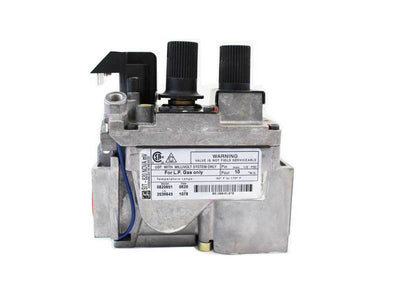
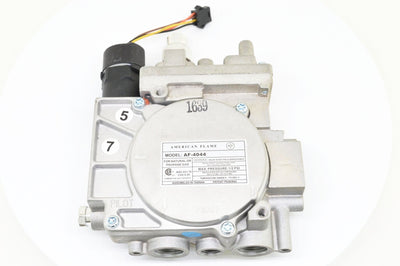
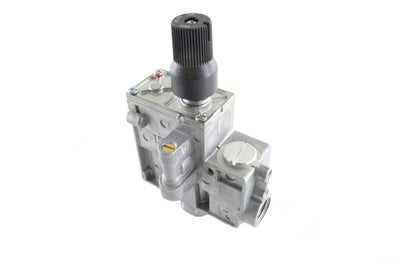
Napoleon fireplaces commonly use SIT and Honeywell gas valves. If your valve is malfunctioning, see our guide on how to replace a gas fireplace gas valve. Browse gas valves and conversion kits.
Seasonal Maintenance Tips
Before Heating Season (Fall)
- Perform the full annual maintenance checklist above.
- Run the fireplace for 30 minutes to burn off any dust that accumulated during the off-season. This may produce a slight odor, which is normal.
- Test the remote control system and replace batteries.
- Verify your carbon monoxide detectors are working.
During Heating Season (Winter)
- Clean the glass monthly if you use the fireplace regularly.
- Check the exterior vent terminal after heavy snowfall or ice storms to ensure it is not blocked.
- Listen for any new sounds from the blower or burner that were not present at the start of the season.
End of Heating Season (Spring)
- For standing pilot models, consider turning off the pilot for the summer to save gas and reduce heat in the room. Follow the shutdown procedure in your owner manual.
- Give the glass a thorough cleaning before shutting down for the season.
- Close any air vents or dampers as recommended by Napoleon for the off-season.
Finding Napoleon Replacement Parts
When you need replacement parts for your Napoleon fireplace, start by locating your model and serial number on the rating plate. For Napoleon units, this is typically found behind the lower access panel or along the side of the firebox. Our guide on finding your gas fireplace model number can help.
Shop our full selection of Napoleon fireplace parts including pilot assemblies, thermocouples, gas valves, blower kits, glass panels, and remote controls. We also carry fireplace remote controls compatible with Napoleon systems.
When to Call a Professional
Regular homeowner maintenance goes a long way, but certain tasks should always be performed by a qualified technician:
- Annual professional inspection: Even with regular DIY maintenance, having a certified technician inspect your Napoleon fireplace once per year is recommended. They have tools and training to check for issues that are not visible to homeowners.
- Gas leak concerns: If you ever smell gas when the fireplace is off, evacuate immediately and call your gas utility. Do not attempt to locate or repair gas leaks yourself.
- Gas valve or gas line work: Replacing or adjusting gas valves requires a licensed technician and a pressure test afterward.
- Venting issues: If you notice excessive condensation, soot, or unusual odors, the venting system may need professional evaluation.
- Error codes on electronic models: Newer Napoleon fireplaces with electronic control systems may display error codes that require professional diagnostic equipment to interpret.
Napoleon maintains a network of authorized dealers and service technicians. You can find one through their website or by contacting a local NFI-certified fireplace professional.
- Tags: annual inspection, blower motor, fireplace maintenance, gas fireplace care, glass cleaning, Napoleon, pilot assembly
← Older Post Newer Post →